Border Farm Project
Border Farm – video exerpt |
||
| [ media close ] | ||
The Border Farm Project is conceived by South African artist/filmmaker Thenjiwe Nkosi and Zimbabwean writer, farm worker, and community spokesperson Meza Weza. It took place over a year, from 2009 to 2010, on a farm on the South African/Zimbabwean border. The project brought together a group of artists from Johannesburg with artists and other interested participants on the farm, most of whom were Zimbabwean migrant workers.
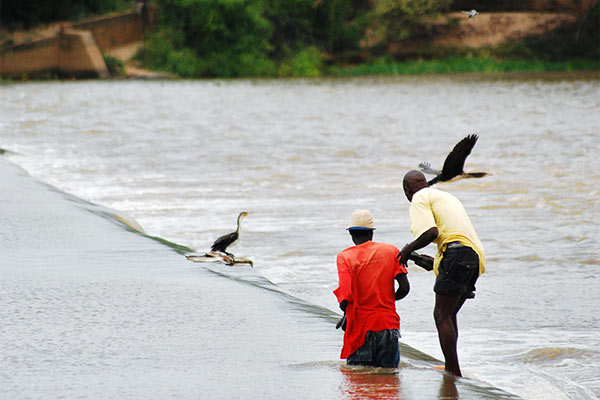
Border crossers
Nkosi and Weza allowed the specific form and intended outcomes of the project to take shape only through the course of regular discussion. Through weekly meetings, held in a communal area on the farm, the project became a space for people to speak about their experiences of border jumping (illegally crossing the South Africa/Zimbabwe border). And it is there that the shape of the project began to emerge.
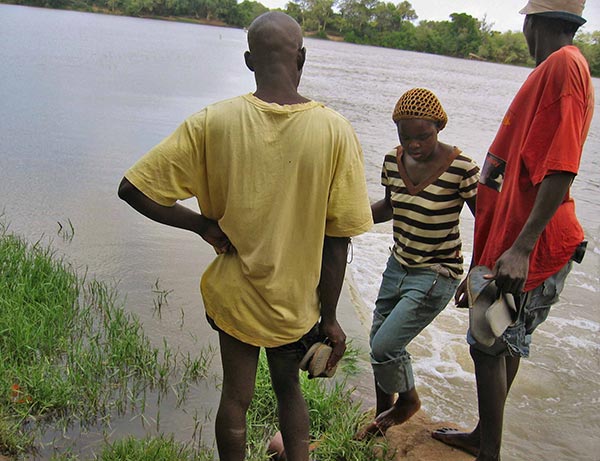
Border crossers
From the start, the primary goal of the project at the was to facilitate a process where people from different histories and presents could work together, and where there would be a focus on the character of that interaction. Nkosi and Weza were also very much interested in the idea that the project could facilitate the creation of something—e.g. a group—that would outlast the project itself. And they had the idea that in order to facilitate creating a unified group, they might work on something together. And that something turned out to be a film.
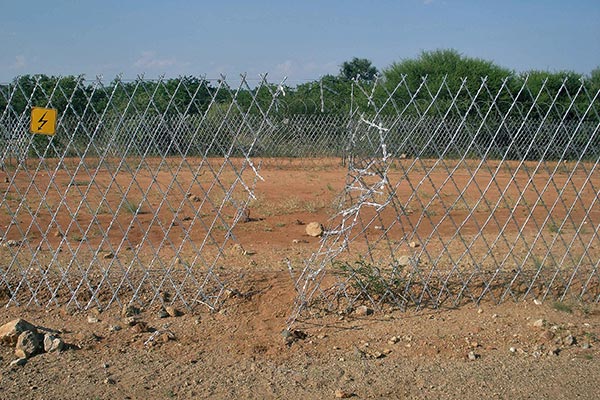
Loophole
The weekly meetings soon became targeted workshops in trust-building, storytelling, acting, photography and writing—all in aid of preparing to shoot the film. Over a period of months the group developed a film script and formed an acting troupe called the Dulibadzimu Theatre Group.
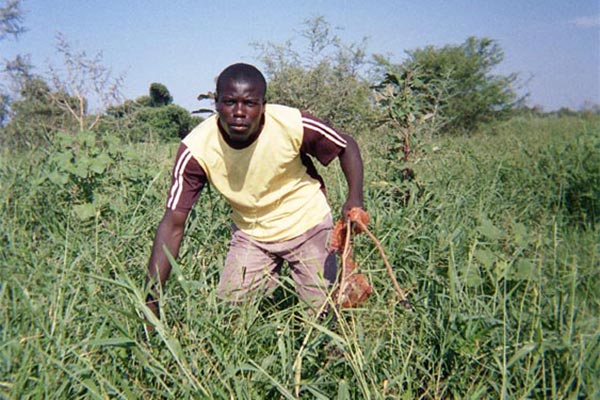
Never
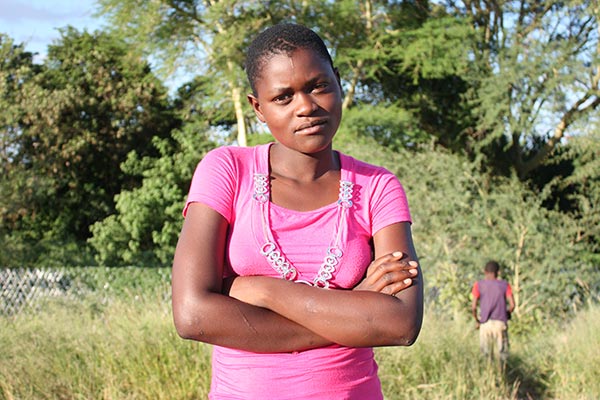
Brenda
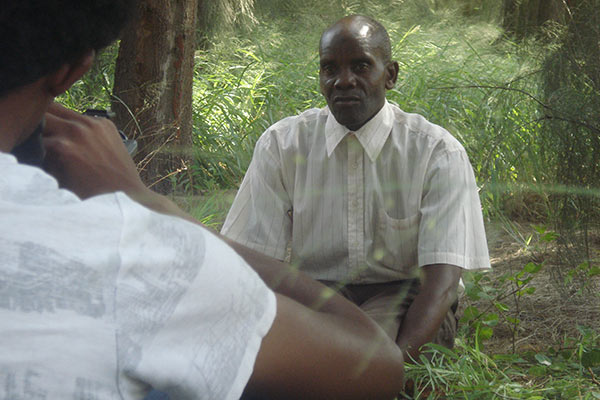
Video interview
Together the artists from Johannesburg and the group on the farm shaped the film script that spoke about experiences of crossing the border. Border Farm (2011) is a docudrama film about a group of Zimbabwean border jumpers who make their way across the Limpopo River from Zimbabwe to seek work on the farms in South Africa. It portrays the many-layered drama of forced migration and is written, acted and crewed by the people who made the journey themselves. The scripted fiction film is threaded through with interviews with group members about their actual experiences and footage of the workshopping process.
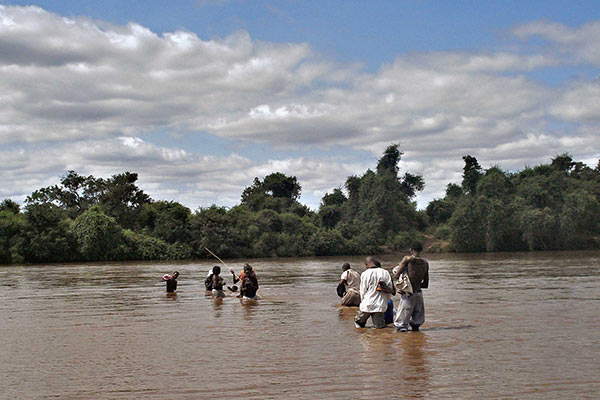
River procession
The finished film has been shown on national television in South Africa and in festivals abroad. The film has also been pirated and has been distributed across the neighbouring farms and in the region. The photographs from the photography workshop have appeared in a traveling exhibition calledBorder Farm that showed in both Johannesburg and Musina, with photos also being published on the web and a few print publications.
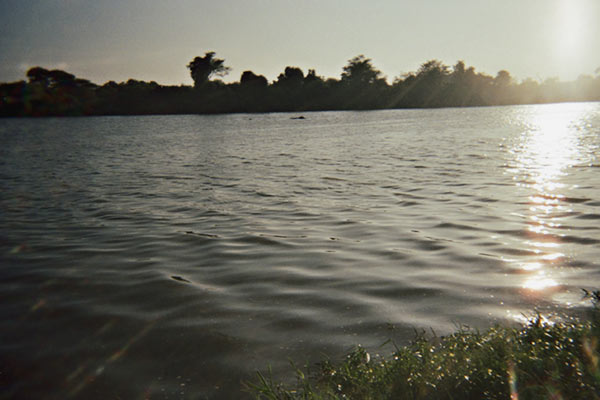
Limpopo river
Over two years on, the Johannesburg-based artists and those artists on the farm remain in irregular contact. The Dulibadzimu Theatre Group is still intact and working (though with a significantly reduced membership) using theatre to raise awareness about health issues like HIV/AIDS. They have worked sporadically but successfully on surrounding farms and in the nearby town of Musina, appearing in festivals and playing to other small communities. Watch: Border Farm Project – video expert